Planning guide
Funfair rides at school events: what organisers need to check
How to book fairground rides safely for a school fair or fun day, including checking ADIPS DOCs, insurance, site space, power and timings.
Why rides need their own checks
A small carousel, a set of swingboats or a children's ride can transform a school fair. Rides are machines, though, and they need checks that go beyond those for stalls and games. As the organiser, you are not expected to be a ride engineer, but you are expected to choose a competent operator and check they have the right documents.
HSE's guidance on fairgrounds, Fairgrounds and amusement parks: Guidance on safe practice (HSG175), is aimed mainly at ride controllers and fair organisers but HSE says it will also be useful to event organisers. It is free to download from the HSE website.
The ADIPS Declaration of Operational Compliance
Fairground rides in the UK are inspected under ADIPS, the Amusement Device Inspection Procedures Scheme. HSE explains that rides need yearly checks, carried out by people with the right knowledge and competence, and that operators should be able to show a current certificate for each ride.
When a ride passes its inspection, the inspection body issues a Declaration of Operational Compliance (DOC). ADIPS says a DOC is normally valid for 12 months but can be shorter, and the ride is certified to operate until the expiry date shown on it. ADIPS also advises that you should always check online that a DOC is genuine and current, because a paper copy may not reflect later changes.
- Ask for the DOC number for every ride you are booking.
- Check each one on the ADIPS website using its device ID or DOC number.
- Make sure the expiry date is after your event date.
- Ask how the operator carries out daily checks before opening.
Insurance and the operator
Ask for a copy of the operator's public liability insurance and check it covers your date and the rides being supplied. Ask for their risk assessment and method statement for set-up and take-down. Many travelling showmen are members of the Showmen's Guild of Great Britain, the trade association for the travelling funfair industry; membership can be a helpful sign of an established operator, but it is not a substitute for checking the DOC and insurance yourself.
On the day, HSE's advice to parents is a good guide for organisers too: rides should look solid, clean and well kept, and attendants should be checking restraints and watching the ride while it runs. Height restrictions must be enforced.
Site, space and access
Rides arrive on lorries or trailers, so access is often the deciding factor. Walk the route with the operator, or send them photos and measurements, well before the day.
- Check gate widths, height limits, turning space and the ground conditions between the entrance and the ride position.
- Ask how much space each ride needs, including its exclusion zone and queue area.
- Check whether the ground is level enough and whether it can take the weight, especially after rain.
- Agree arrival and departure times so vehicles are not moving while children are on site.
- Keep emergency vehicle access clear throughout the event.
Power and generators
Ask the operator what power each ride needs and whether they bring their own generator. School electrical supplies are often not suitable for rides, and long cable runs across busy areas create trip hazards.
If generators are used, agree where they will go: away from crowds, stalls and buildings, fenced or roped off, and with cables protected or routed out of the way. Ask how refuelling will be handled, as it should not happen near the public while the event is busy.
Timings and running the day
- Confirm how long set-up takes and when the operator needs access.
- Decide how rides will be paid for: tokens sold by the PTA, wristbands, or the operator taking money directly.
- Agree what happens in bad weather and who decides to stop a ride.
- Brief volunteers to keep queues orderly and away from barriers.
- Agree a time for rides to close before the event ends, so take-down does not overlap with families leaving.
Bring it together in your risk assessment
Add the rides to your event risk assessment and site plan, and keep copies of DOCs, insurance and the operator's risk assessment in one place on the day. If your local authority has a safety advisory group or event guidance, check whether it applies to an event of your size. Browse fun day and funfair suppliers in our directory to compare operators.
Questions
What is an ADIPS DOC?
A Declaration of Operational Compliance, issued by an ADIPS inspection body when a ride passes its inspection. It shows the ride is certified to operate until its expiry date, and it can be checked on the ADIPS website.
How long is a DOC valid?
ADIPS says a DOC is normally valid for 12 months but can be shorter. Always check the expiry date and confirm it online.
Can we plug rides into the school's electricity?
Ask the operator what each ride needs. Many bring their own generators. Agree in advance where power will come from and how cables will be routed safely.
Suppliers you might look at
We Are Tricycle
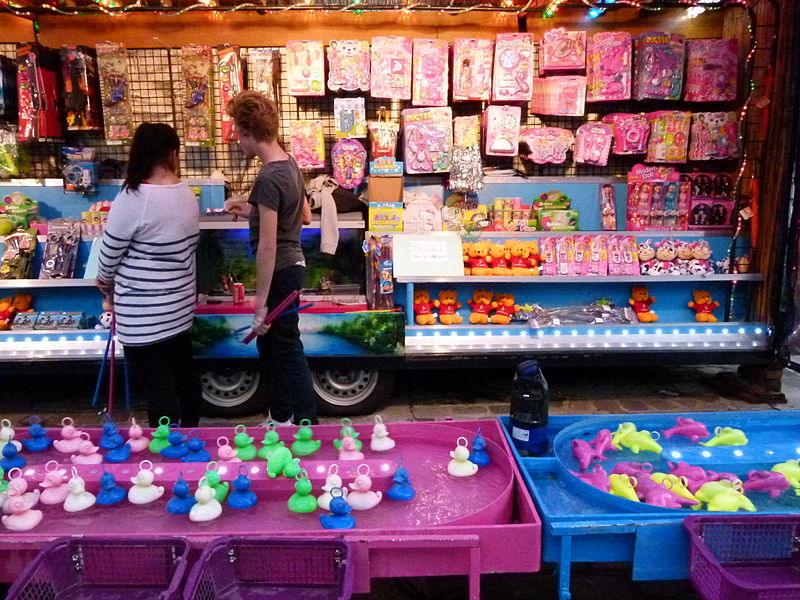
Funfair rides, traditional games and side stalls for UK school summer fairs, reward days and fundraisers.
Read more →North's Funfairs
Traditional fairground rides, game stalls and sweets
Is this you? Update or removeGolden Gallopers
Vintage fairground ride hire for fetes and events
Is this you? Update or removeBrowse more in Fun Days & Fairs.
Sources and further reading
- HSE: Fairgrounds and amusement parks, guidance on safe practice (HSG175) ↗
- ADIPS: Check a DOC ↗
- ADIPS: FAQs ↗
- HSE: Keeping children safe on fairgrounds ↗
This guide is general information for UK schools, not legal advice. Always follow your employer's and local authority's policies. Last reviewed October 2026.